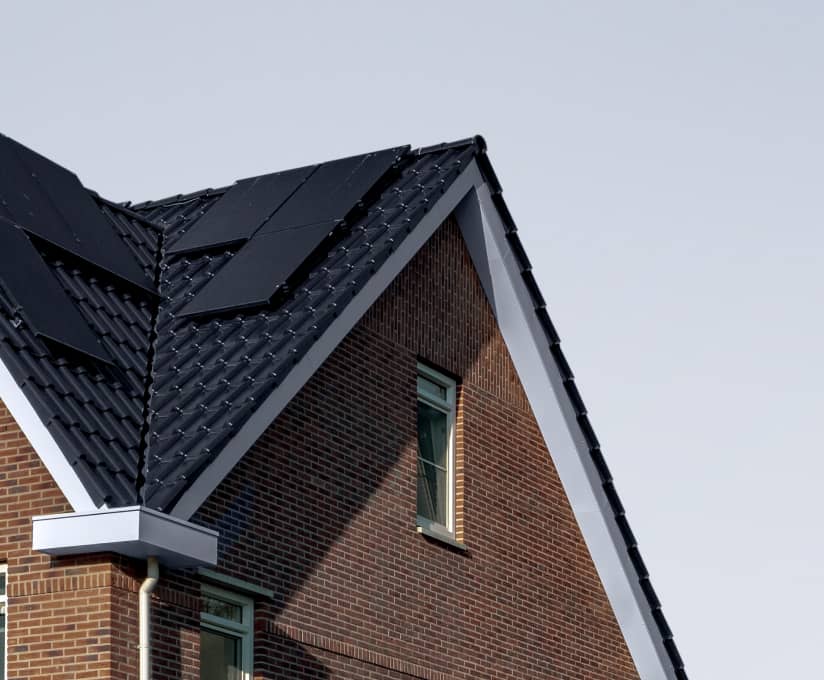
How much does a new roof or a roof replacement cost?
Cursus tincidunt tempor aliquam mattis et mi fames at id venenatis massa at egestas egestas dignissim nisl, in ipsum sed consequat in viverra.

Price the roof as a system, not a square of shingles
Homeowners hear a per-square number and assume that is the bill. It is not. Tear-off, dump fees, deck repair, underlayment, flashing, ventilation, permits, and steep-slope labor sit on top of the covering. Two houses with the same footprint can differ by tens of percent if one has a simple gable and the other is cut up with valleys, dormers, and a chimney.
- Covering: asphalt, metal, tile, or synthetic — material and labor both move.
- Tear-off layers: one layer is standard; two or more add dump and labor.
- Deck: rotten or undersized plywood is a change order, not a surprise if you inspect first.
- Access and pitch: three-story and 12:12 roofs cost more to stage safely.

Ballpark ranges you can actually use
In most U.S. metros in 2026, a straightforward asphalt replacement on a modest ranch still lands in the low-to-mid five figures once tear-off and flashing are included. Standing-seam metal and tile sit higher because of material and specialized crews. Treat online calculators as a conversation starter. A written scope that lists squares, layers to remove, underlayment brand, and flashing details is the only number that means anything.
What inflates a bid — and what should
The cheap bid often skips ice-and-water shield in valleys, reuses rusty drip edge, or nails over curled shingles. The honest bid prices those lines. Ask each contractor to price the same spec: full tear-off, new drip edge, ice shield at eaves and valleys, synthetic field underlayment, and manufacturer-required ventilation. Then compare apples. Financing, insurance recoveries, and seasonal demand also move the quote; late summer after a hail event is rarely the bargain window.
“If three bids vary by a third, you are not looking at the same roof. You are looking at three different scopes.”
How to read the final invoice
You should see line items for tear-off, dump, deck repair (allowance or time-and-materials), underlayment, covering, flashing, vents, and permit. Keep the packet: photos, warranty registration, and the final inspection sign-off. That file is what a buyer, insurer, or future crew will trust — not a round number you remember from a phone call.

Congue commodo in lacinia sagittis mi id justo, tristique elit neque quis tortor non facilisis risus scelerisque aliquet.